Olive oil is a superstar in the world of natural soap and skin care. It brings a bunch of benefits, like deep hydration and a boost of antioxidants that'll keep your skin glowing. Plus, it blends smoothly with other ingredients, making it a must-have for your homemade skin treats.
Olive Oil for Soap and Skin Care
Discover the nourishing benefits of olive oil for your soap making and skin care needs
Product List
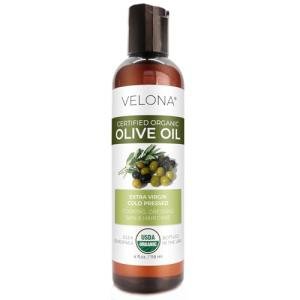
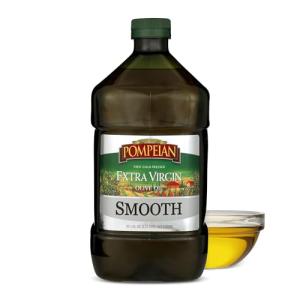
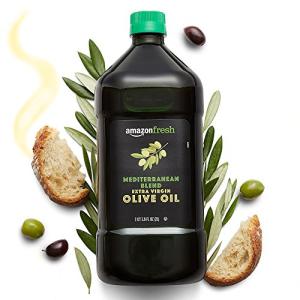
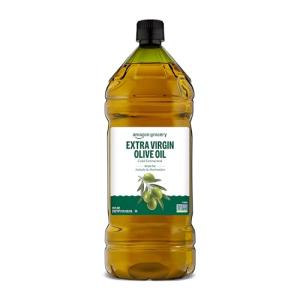
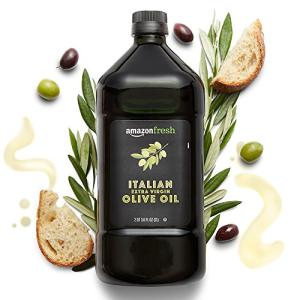
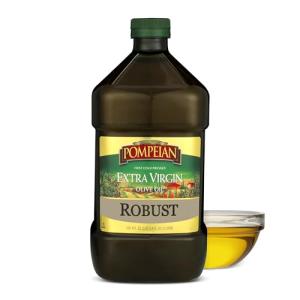
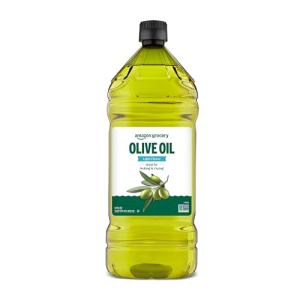
Using Olive Oil in Formulation: A Technical Guide for Soapmakers & Cosmetic Developers
Olive oil is one of the most reliable and versatile raw materials in soapmaking and cosmetic formulation. Its balanced fatty acid profile, oxidative stability, and broad consumer recognition make it a core ingredient in everything from natural bar soaps to premium skincare products. Understanding how different grades of olive oil behave in formulations helps product developers optimize cost, performance, and sensory attributes.
This guide focuses on practical formulation considerations and compares the main types of olive oil used in the industry: extra virgin, virgin, refined, unrefined, and pomace.
Functional Benefits of Olive Oil in Formulations
Fatty Acid Composition (Typical Range)
-
Oleic acid (55–83%) – Emollient, conditioning, enhances skin softness
-
Palmitic acid (~7–20%) – Contributes to bar hardness and stability
-
Linoleic acid (3–21%) – Lightweight skin feel; can reduce greasiness
-
Squalene + polyphenols – Antioxidant properties (higher in unrefined oils)
Why Formulators Use It
-
Emolliency: Creates a rich, nourishing skin feel in lotions, serums, balms.
-
Stability: More resistant to oxidation than oils with high PUFA content.
-
Marketing Value: Strong consumer appeal, especially in natural formulations.
-
Soap Performance: Produces a mild, conditioning bar—ideal for sensitive-skin products.
Olive Oil Types: Selection Guide for Makers
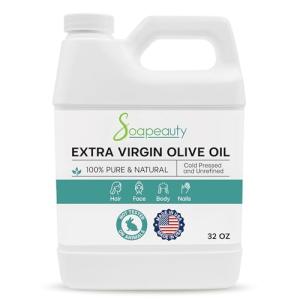
1. Extra Virgin Olive Oil (EVOO)
Extraction: Cold-pressed, unrefined
Color/Aroma: Greenish tint, robust olive scent
Nutrient content: Highest; rich in polyphenols and antioxidants
Best for:
-
Premium, high-antioxidant skincare products
-
Facial oils, baby care, leave-on formulations
-
Traditional or luxury soaps (e.g., authentic Castile)
Formulation Notes:
-
Strong scent and color can influence fragrance and pigment load.
-
Higher unsaponifiables improve conditioning but may slow trace in CP soap.
2. Virgin Olive Oil
Extraction: Cold-pressed, unrefined
Color/Aroma: Milder than EVOO
Nutrient content: Still high
Best for:
-
Everyday soaps and natural cosmetics
-
Formulations where EVOO quality is not required but unrefined oils are preferred
Formulation Notes:
-
Good balance of stability, nutrients, and cost.
-
Produces stable emulsions with a smooth skin feel.
3. Refined Olive Oil
Extraction: Chemically refined from lower-grade oils
Color/Aroma: Pale, nearly neutral
Nutrient content: Reduced
Best for:
-
Formulators needing a neutral-colored, neutral-scent oil
-
Products where fragrance and color control are essential
-
Cost-sensitive skincare and soap lines
Formulation Notes:
-
More consistent batch-to-batch performance.
-
Extended shelf life compared to unrefined oils.
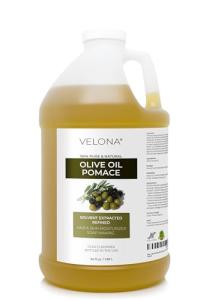
4. Olive Pomace Oil
Extraction: Solvent extraction from olive pulp
Color/Aroma: Light, neutral
Cost: Lowest
Best for:
-
Commercial soapmaking (particularly hot process and large-batch CP)
-
Cost-driven SKUs
Formulation Notes:
-
Traces very fast in cold-process soap due to residual solids—good for fast production but requires quick working time.
-
Lower unsaponifiable content makes it less beneficial for leave-on skincare.
5. Unrefined Olive Oils (EVOO + Virgin)
This category includes any mechanically extracted, minimally processed olive oil.
Why use unrefined:
-
Higher antioxidant content for marketing/functional claims
-
Adds character to artisan and natural formulations
Tradeoffs:
-
More expensive
-
More variation in color and odor
-
Slightly shorter shelf life
Olive Oil in Soapmaking: Technical Considerations
Lather and Hardness
-
High oleic formulas (e.g., 100% olive Castile) produce creamy, low-bubble lather.
-
Hardness increases significantly with cure time—Castile soaps need 6–12 months for best quality.
Trace Behavior
-
Pomace accelerates trace rapidly.
-
EVOO and virgin oils slow trace, giving soapmakers more design time.
Usage Rates
-
Castile soap: 100% olive oil
-
Bastille soap: 60–80% olive oil (with coconut/castor for cleansing and bubbles)
-
General CP recipes: 20–40% olive oil for balanced conditioning
Shelf Life and Stability
-
Refined olive oil typically lasts longer due to reduced unsaponifiables.
-
Antioxidants like ROE (rosemary oleoresin) can extend shelf life.
Olive Oil in Cosmetic Formulation
Emulsions (lotions/creams)
-
Provides rich emolliency
-
Works well between 3–20% of total oils
-
Pairs well with butters for body creams
Balms and Butters
-
Adds slip and spreadability
-
Can soften stiff formulas (e.g., with beeswax)
Cleansing Oils & Balms
-
Excellent makeup-removal properties
-
Blends easily with surfactants (e.g., polysorbate 80 or PEG-40 sorbitan derivatives)
Haircare
-
Used in masks and conditioners for shine and softness
-
Common inclusion: 1–5%
Choosing the Right Type for Your Application
| Product Type | Recommended Oil | Rationale |
|---|---|---|
| Premium facial serums | Extra virgin | Highest nutrients + marketing value |
| Spa/luxury cold-process soap | Virgin/EVOO | Conditioning + natural positioning |
| High-volume bar soap | Pomace or refined | Cost efficiency + predictable behavior |
| Colored or perfumed skincare | Refined | Neutral scent/color |
| Baby or sensitive-skin products | Virgin or EVOO | Gentle, antioxidant-rich |
Conclusion
For soapmakers and cosmetic formulators, olive oil offers an ideal combination of performance, stability, and consumer appeal. Selecting the right type—extra virgin, virgin, refined, unrefined, or pomace—allows you to tailor your formulation for cost, aesthetics, performance, and marketing goals. Whether crafting an artisan Castile soap or developing a premium skincare line, olive oil remains one of the most versatile and dependable oils in the formulator’s toolkit.